


Tiebarless Injection Moulding Machine
Product Overview
The tiebarless injection molding machine uses a tiebar-free clamping architecture to provide open access around the mold area. Unlike conventional four-tie-bar injection molding machines, the absence of tie bars removes the physical clearance restrictions normally created around the mold perimeter.
This configuration is particularly suitable for molds with large external dimensions, side-mounted components, complex core mechanisms, or automated loading and unloading requirements. Mold selection should be evaluated according to clamping force, platen dimensions, mold weight, mold thickness, center of gravity, and the machine manufacturer's allowable mold mounting conditions.
The open mold area also provides greater accessibility for mold installation, inspection, robot integration, core-pulling systems, and part removal equipment. This makes the machine suitable for automated production cells where peripheral equipment needs direct access to the mold area.


Product Categories
Latest Products


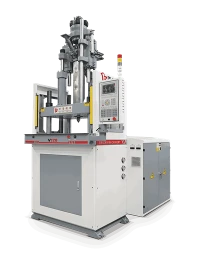
Machine Structure & Configuration
The machine uses a tiebarless clamping structure with a rigid machine frame and centralized hydraulic clamping force application. The configuration is designed to provide the required clamping force while keeping the mold area free from conventional tie bars.
The open platen arrangement provides unobstructed lateral access for mold installation and peripheral automation. Mold compatibility should be evaluated using the available platen area, mold dimensions, mold weight, mold thickness, mounting arrangement, and required clamping force.
Where platen position monitoring or feedback systems are configured, the control system can monitor relevant machine movement parameters during the molding cycle. Actual parallelism and positioning specifications depend on the machine configuration and should be confirmed from the applicable technical datasheet.
The injection unit uses a servo-hydraulic drive and proportional hydraulic control for adjustable injection velocity and holding pressure. The selected injection system can be configured according to material characteristics, part requirements, production cycle, and required injection performance.
The plasticizing unit can be configured with different screw and barrel combinations according to the processed material. Options may include wear-resistant or corrosion-resistant screw and barrel configurations for engineering plastics and filled compounds, subject to material and application requirements.

Key Features
Open Mold Access:
The tiebar-free structure provides open access around the mold, making it easier to install, inspect, and service molds with large external dimensions or side-mounted mechanisms.
Flexible Mold Installation:
Without tie bars passing through the mold area, the machine can accommodate mold configurations that may be restricted by the tie-bar clearance of conventional machines. Actual mold compatibility depends on mold dimensions, weight, mounting position, center of gravity, platen capacity, and machine specifications.
Centralized Clamping Force:
The hydraulic clamping system applies clamping force through the machine's central clamping structure. The configuration is designed to provide controlled force transmission to the mold during the clamping cycle.
Automation Integration:
The open side access allows robots, conveyors, core-pulling systems, part-removal devices, and other automation equipment to be positioned around the mold area according to the production cell layout.
Flexible Production Configuration:
The machine can be configured with different injection units, screw and barrel combinations, hydraulic core-pulling circuits, control interfaces, and automation options to match specific molding applications.
Technical Specifications
|
Model Series |
Clamping Force (kN) |
Max. Mold Weight (kg) |
Screw Diameter (mm) |
Max. Injection Volume (cm3) |
Max. Injection Pressure (MPa) |
|
TBL-120 |
1200 |
850 |
40 |
230 |
215 |
|
TBL-160 |
1600 |
1200 |
45 |
325 |
205 |
|
TBL-220 |
2200 |
1600 |
50 |
450 |
220 |
|
TBL-300 |
3000 |
2200 |
55 |
628 |
210 |
|
TBL-450 |
4500 |
3200 |
65 |
982 |
200 |
Mold Selection Considerations
When selecting a Tiebarless Injection Molding Machine, buyers should evaluate more than clamping force alone. The following information should be checked against the machine's technical datasheet:
Platen dimensions
Available mold mounting area
Minimum and maximum mold thickness
Mold opening stroke
Maximum daylight
Mold weight
Mold center of gravity
Required ejector stroke and force
Required injection volume
Required injection pressure
Injection rate and cycle requirements
Material and screw/barrel configuration
Custom hydraulic circuits, injection units, plasticizing systems, and automation interfaces can be evaluated according to the application requirements.
Applications
Automotive Components: The open mold area is suitable for automotive interior and functional components where molds may incorporate large external dimensions, side-mounted mechanisms, or complex core-pulling arrangements.
Engineering Plastics: The machine can be configured for engineering thermoplastics such as PA, PC, ABS, POM, and other materials according to the required screw, barrel, temperature-control, and injection configuration. For glass-fiber reinforced or abrasive compounds, the plasticizing system should be selected according to the material grade, filler content, processing temperature, and expected production volume.
Electrical and Electronic Components: The tiebarless configuration can be used for molded housings, connectors, terminals, and other components where mold access and automated part handling are important.
Consumer and Industrial Products: The machine can support production of molded housings, containers, appliance components, industrial plastic parts, and other products requiring automated mold loading, part removal, or complex mold configurations.
Automated Molding Cells: The open mold area provides flexible access for robot arms, conveyors, part-removal systems, inspection equipment, and other peripheral automation used in integrated molding cells.
Manufacturing & Quality Control
Machining & Assembly Protocols
Platen Machining: Machine platens are manufactured and machined according to the required structural and dimensional specifications. Machining and finishing processes are controlled to maintain the required mounting surfaces, locating features, and mold installation dimensions. Where specified by the machine design, stress-relief treatment and precision machining processes are applied to structural components before final assembly.
Machine Frame Processing: Welded machine frames can undergo stress-relief treatment before precision machining and assembly. The specific thermal treatment and machining process depend on the machine frame design and manufacturing requirements.
Quality Verification & Testing
Dimensional Inspection: Critical machine components can be inspected for dimensional accuracy, platen geometry, mounting-hole position, locating features, and other specified tolerances using appropriate inspection equipment such as coordinate measuring machines.
Hydraulic System Testing: Hydraulic manifolds and cylinder assemblies are tested according to the manufacturer's pressure-testing procedures before final machine assembly and commissioning.
Machine Testing: Factory testing can include clamping operation, injection system operation, hydraulic system performance, electrical control functions, machine movement, and dry-cycle operation according to the machine configuration and factory acceptance requirements. Test records and inspection requirements can be provided according to the machine model and project specifications.
OEM & Customization
Automation Integration:
The machine can be integrated with robots, conveyors, part-removal systems, mold-temperature controllers, material handling systems, and other peripheral equipment according to the production-cell design.
Control System Integration:
Communication and automation interfaces depend on the selected control system and machine configuration. Required interfaces can be evaluated when integrating the machine with robots, peripheral equipment, production monitoring systems, or factory automation platforms.
Hydraulic Core Pulling:
The machine can be configured with independent hydraulic core-pulling circuits and programmable sequencing for molds requiring multiple core movements.
Screw and Barrel Configuration:
Different screw geometries, barrel materials, and wear-resistant configurations can be evaluated according to the processed material, filler content, processing temperature, and production requirements.
Injection System Customization:
Injection unit configuration can be selected according to required injection volume, pressure, injection rate, material characteristics, and cycle requirements.
FAQ
We are one of the most professional tiebarless injection moulding machine manufacturers and suppliers in China. We warmly welcome you to buy customized tiebarless injection moulding machine at competitive price from our factory. If you have any enquiry about pricelist and quotation, please feel free to email us.
connector insert moulding machine, Wire overmoulding, Tie barless Vertical Clamping Horizontal Injection Moulding Machine